
Slack AI: The Path to Multi-Cloud
Slack Engineering slack.engineering
This is what was read here when it was published. Shaurya Kethireddy no longer carries it in what it publishes now.
Listen to this summary
In early 2023, Slack faced a foundational challenge: serving Large Language Models (LLMs) at enterprise scale with the security, reliability, and performance our customers expect. Over three years, we evolved from basic infrastructure to orchestrating a sophisticated multi-cloud architecture. We didn’t just want shiny new models; we needed a system resilient to regional outages and GPU scarcity. Our journey moved through four distinct phases, shifting from reactive infrastructure management to proactive, multi-vendor orchestration.
More ways to use this
Open on another device

Scan to open this page. Your saved notes and account access are not included.
 How to contain shadow AI, as it takes on multiple forms and spreads throughout your environment
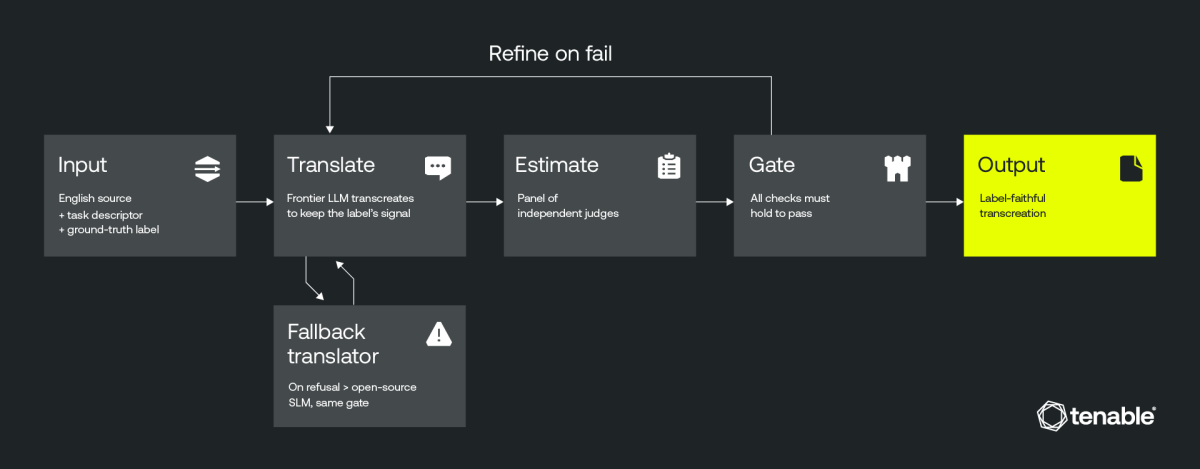 How Tenable brought multi-language support to security detectors with agentic translation