CVE-2026-120932 — A format string vulnerability has been reported in the Internal Backup of ADM. User-controlled input from the source_folders parameter is pa
ThreatFilter threatfilter.dev
Listen to this summary
(vendor/severity tags below are heuristic) A format string vulnerability has been reported in the Internal Backup of ADM. User-controlled input from the source_folders parameter is passed by internalbackup.cgi to a shared string-copy routine in libbackup.so.0.0 and used directly as the format-string argument to snprintf() without corresponding variadic arguments. This may allow an authenticated attacker to disclose process memory addresses or trigger unintended memory writes that terminate the affected CGI process. Affected products and versions include: from ADM 4.1.0 through ADM 4.3.3.RY62 as well as from ADM 5.0.0 through ADM 5.1.4.
More ways to use this
Open on another device

Scan to open this page. Your saved notes and account access are not included.
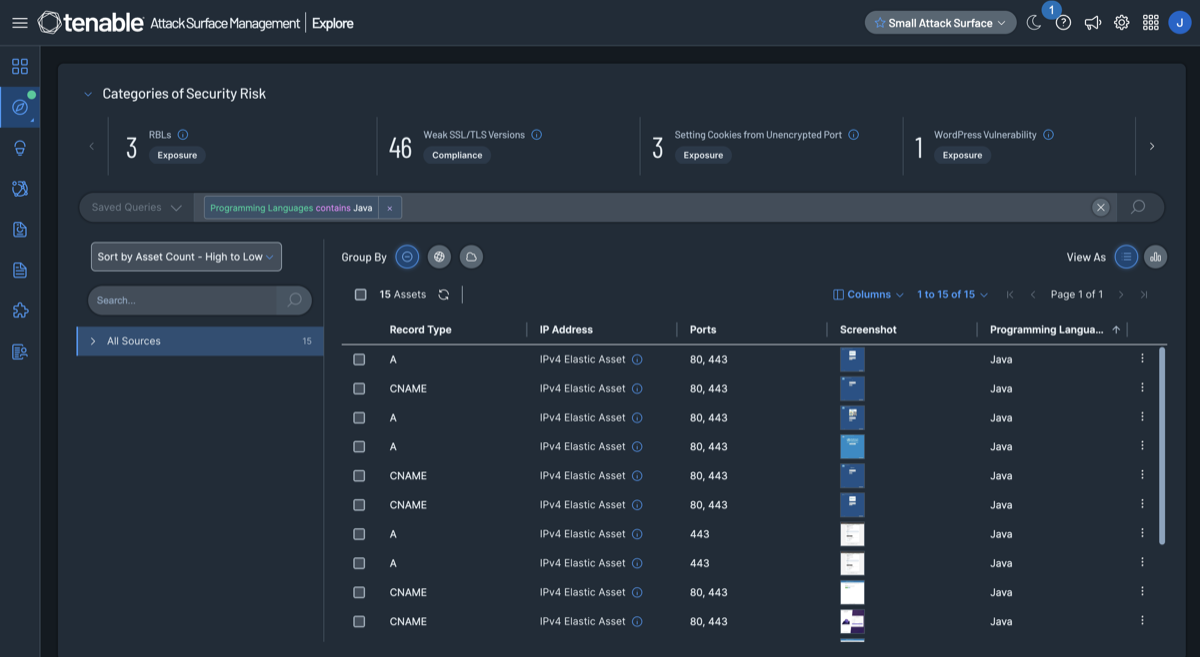 Java4Shell (CVE-2026-114938): Frequently asked questions about OpenJDK remote code execution vulnerability
 Able2Shell: Frequently asked questions for reported N-able N-central zero-day vulnerabilities
 String Cheese Incident Live at Longhorn Ballroom on 2026-05-31
 Yonder Mountain String Band Live at Kessler on 2026-04-16
 Yonder Mountain String Band Live at Longhorn Ballroom on 2025-02-07