Streamlining Security Investigations with Agents
Slack Engineering slack.engineering
Aurekai listening
Listen to this summary
Original instrumental score; voice stays in front.
Ready to listen
This reads the text available on this page using your browser's voice. It is not a publisher-recorded narration; voice processing depends on your browser.Slack’s Security Engineering team is responsible for protecting Slack’s core infrastructure and services. Our security event ingestion pipeline handles billions of events per day from a diverse array of data sources. Reviewing alerts produced by our security detection system is our primary responsibility during on-call shifts.
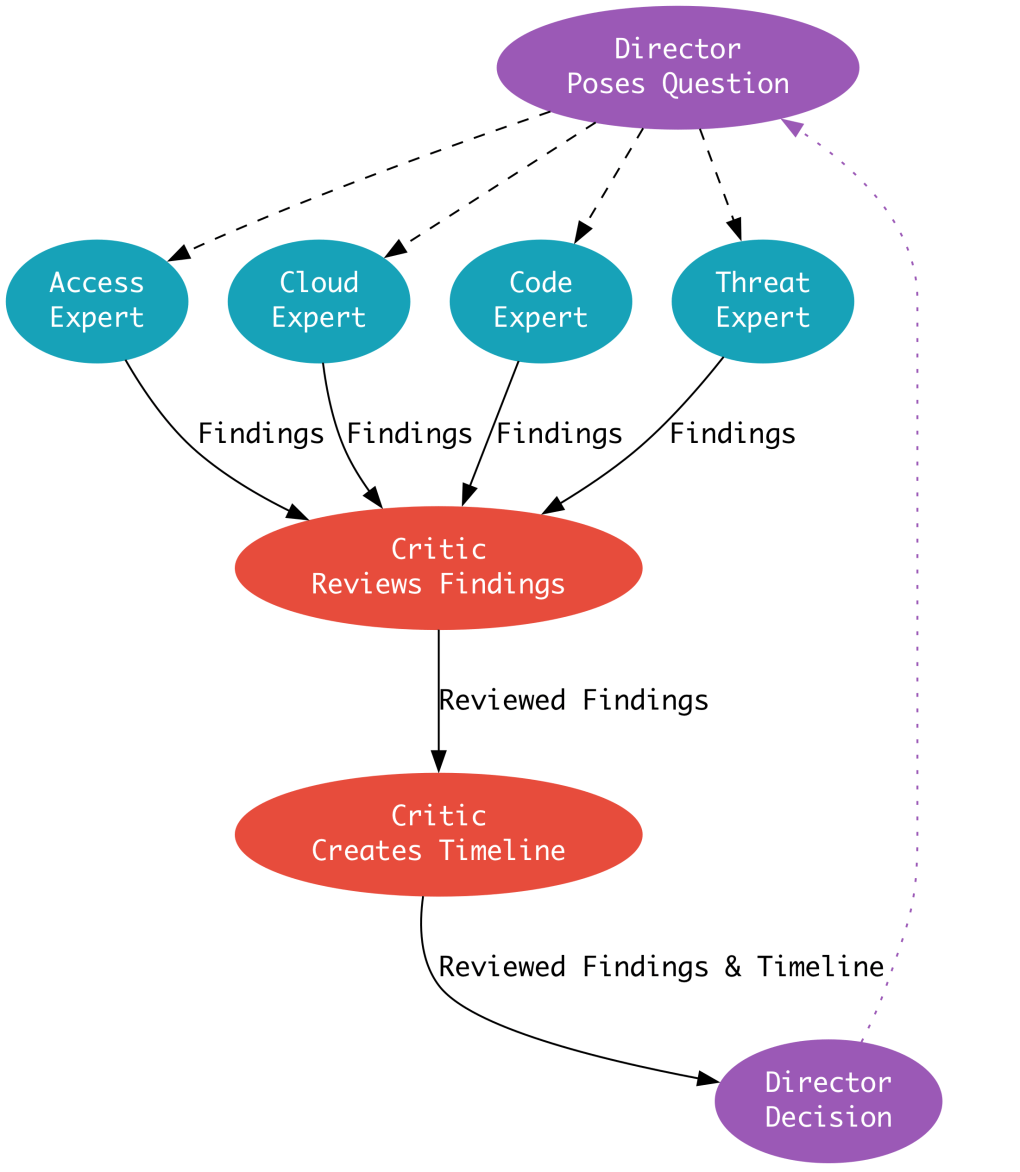
We’re going to show you how we’re using AI agents to optimize our working efficiency and strengthen Slack’s security defenses. This post is the first in a series that will unpack some of the design choices we’ve made and the many things we’ve learnt along the way.
More ways to use this
Open on another device

Scan to open this page. Your saved notes and account access are not included.
 How Tenable brought multi-language support to security detectors with agentic translation